
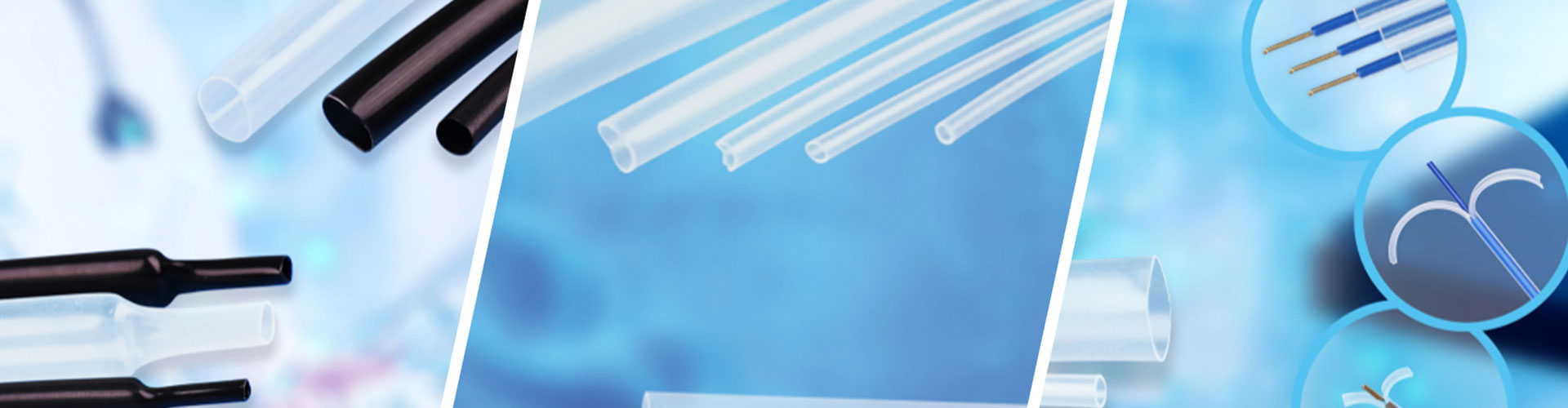
Heat shrink tube is waterproof and insulated
2025-05-15
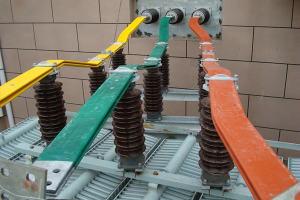
Since heat shrink tubing is often used in electronic and electrical fields, its insulation efficiency is beyond doubt. Depending on different usage conditions, it can be classified into five voltage resistance levels: 300V, 600V, 1KV, 10KV and 35KV. You can choose heat shrink with appropriate insulation grade according to the usage conditions of your own product. For example, for low-voltage products such as household appliances and electronic components, a heat-insulating heat shrink tube with a voltage of 600V or less is sufficient. Bushbar copper insulation of high voltage industrial electrical cabinets is generally selected from 10kv or 35kv high voltage isothermal heat shrink tubes.
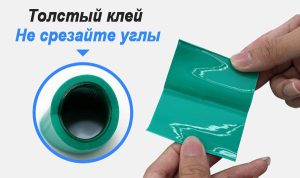
If heat shrink tubing is to be waterproof, then insulated heat shrink tubing must be used to achieve the waterproof goal. Conventional heat shrinks do not have waterproof performance. Therefore, in applications that require waterproofing and humidification, most people will use insulated heat shrink tubing. That is, the inner wall of the heat shrink tube contains a layer of hot melt glue. Hot melt adhesive melts when heated, making the heat shrink and the product closely bonded to each other. To achieve the effect of sealing and waterproofing.
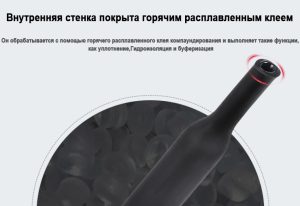
If both insulation and waterproofing are required, then only insulating thermal insulation pipe can be selected. The insulation voltage level can only reach 1kV or lower. For example, when sealing, waterproofing and insulating water pumps, outdoor cables and buried cable connections, insulating heat shrink tubing will be used for sealing and insulation. Adhesive heat shrink tubing is an important waterproof insulation auxiliary material with excellent thermal insulation. The waterproof rating can reach IP67. Generally, in environments where waterproofing and humidification are necessary for cable and cable joints, insulating heat-shrinkable conduit is used as the waterproofing and humidification material.