
How to choose self-winding textile sleeve and self-winding wicker sleeve?
2026-04-18
Self-winding cable sleeves can be quickly wrapped around wires without disassembling or cutting cable lines, and are a common means of protecting electrical wiring. The two types of products differ greatly in design, protection characteristics and application, so many people are not sure how to make the right choice.
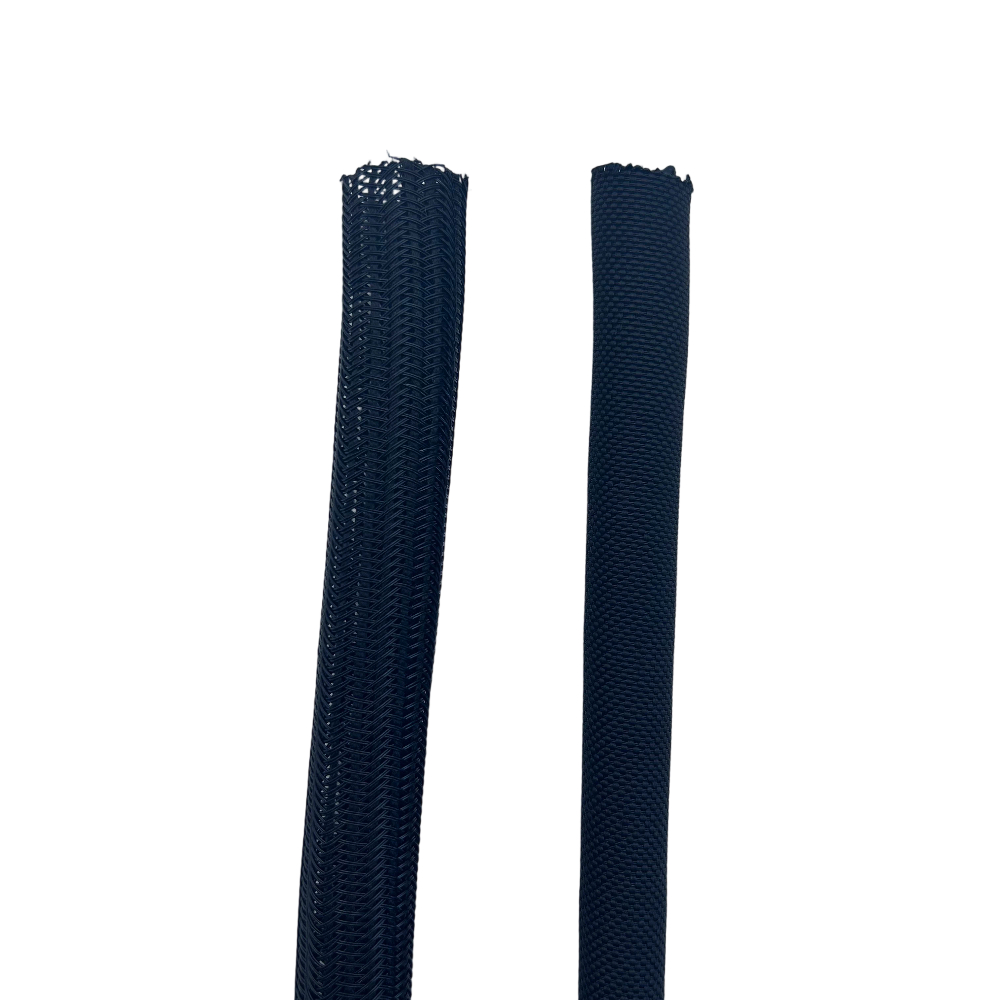
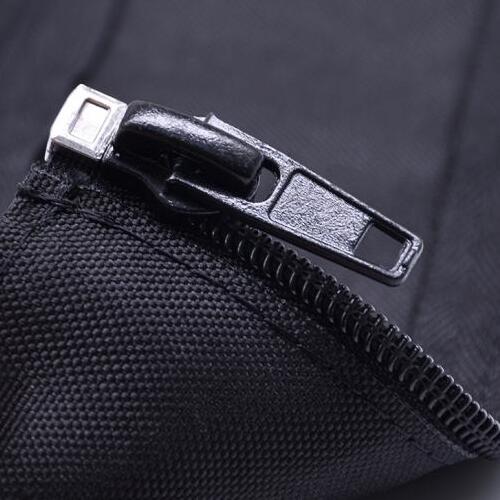
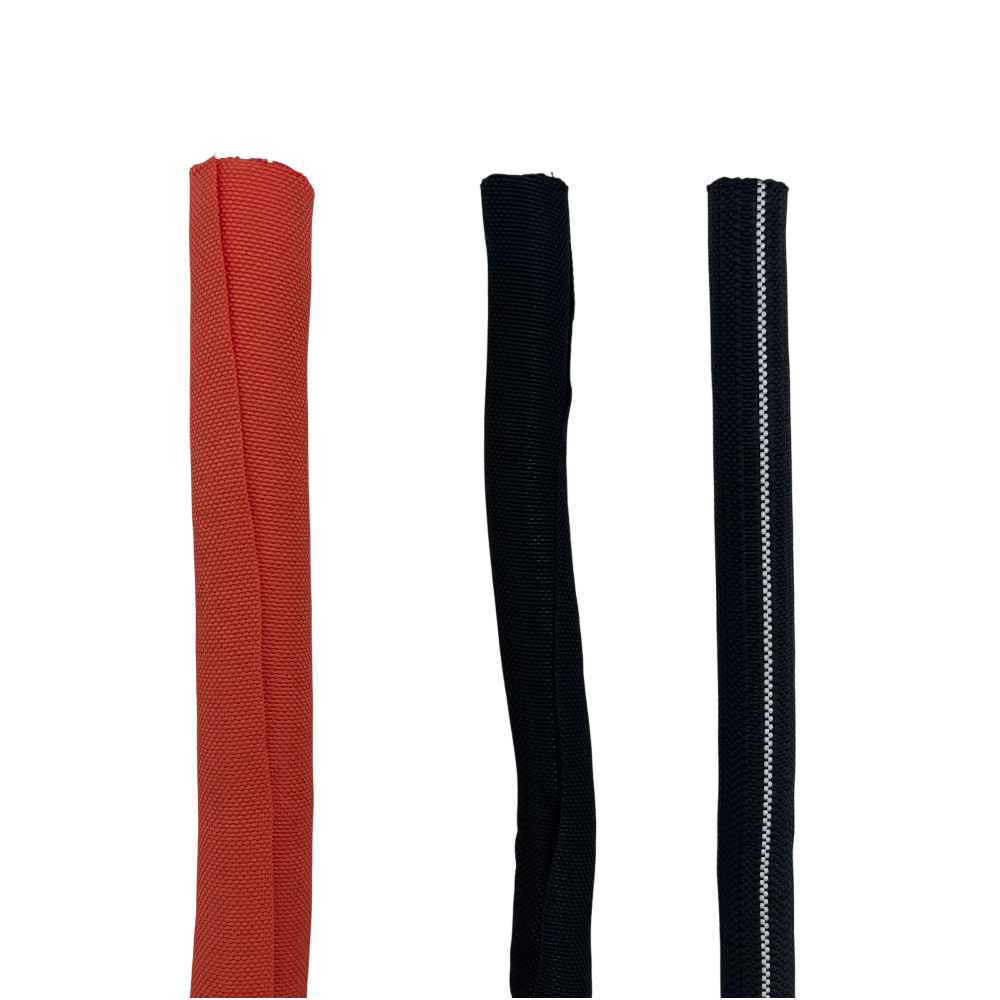
The self-winding textile sleeve has a dense, smooth surface, is flexible and bends well, and does not deform when the wires are repeatedly bent. It has excellent dust, oil and wear resistance, tightly envelops wiring, gives a neat appearance, and is suitable for messy shaped wire harnesses. It is highly economical and is widely used in moving harnesses for automotive, robotic, construction and railway equipment.
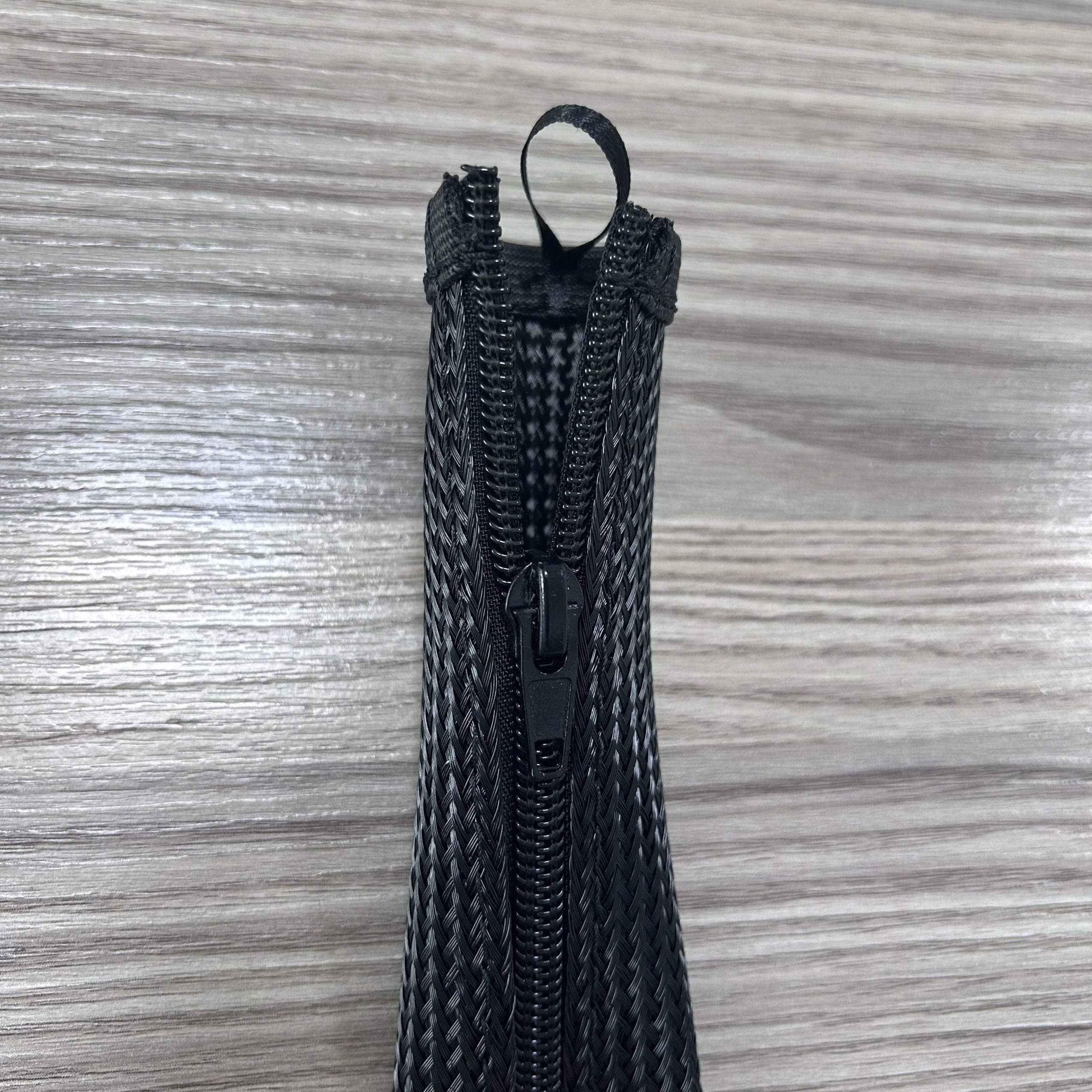
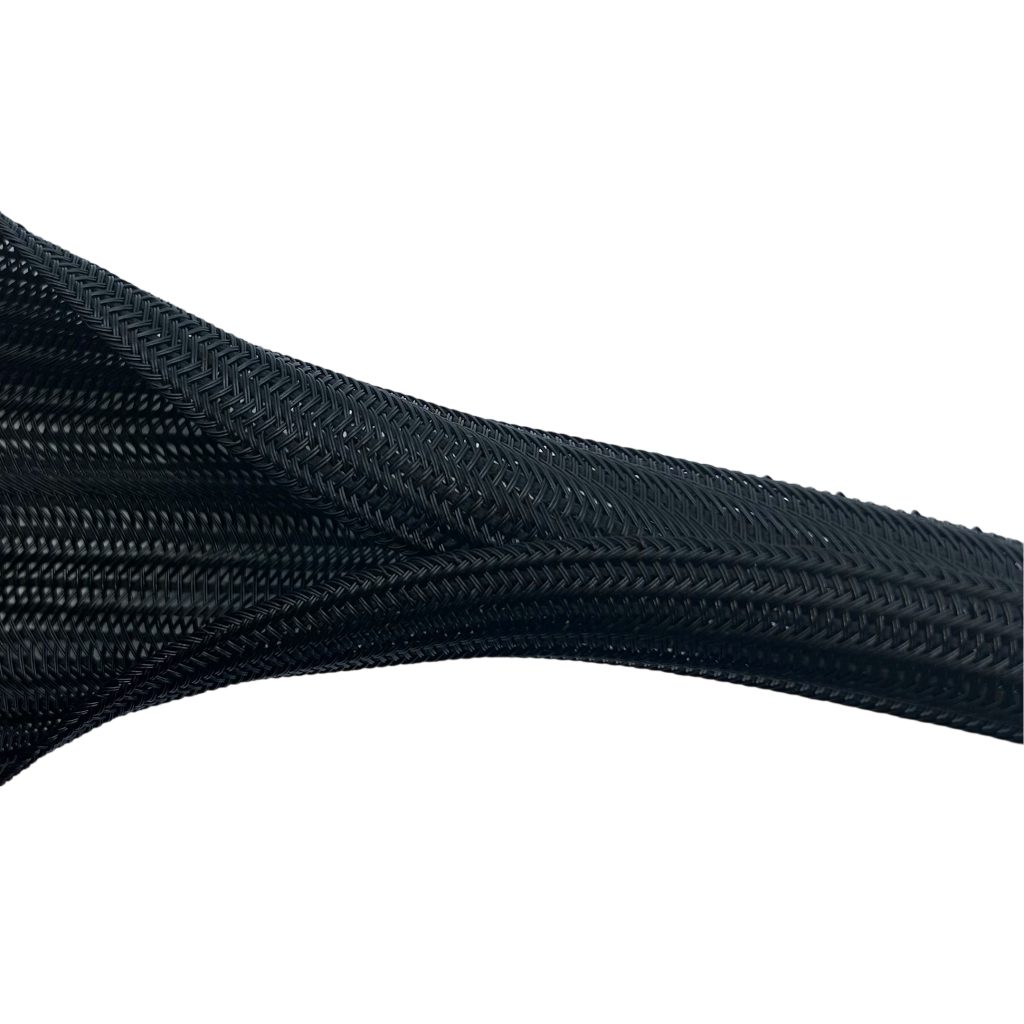
The self-winding braided sleeve has a mesh hollow structure, has excellent ventilation and heat dissipation, slowing down the aging of cable wiring. It has high tensile strength and shock resistance, but provides poor protection against dust and is prone to lint formation during prolonged bending. Ideal for fixed high temperature power lines in electrical cabinets and industrial equipment.
Selection result:
For frequently bending moving wires, where protection from dust, wear and a neat appearance is important, choose a self-winding textile sleeve.
For hot lines, tight wiring in cabinets and demanding heat dissipation, choose a self-winding braided sleeve.
The correct choice of sleeves extends the service life of wiring and guarantees stable, safe operation of electrical networks.