

How to choose open or closed corrugated PA conduit
2026-03-21
When choosing a corrugated pipe, many buyers are often faced with a dilemma: should they prefer an open or closed type? Before we jump into comparing the differences, let's first take a closer look at the corrugated polyamide (PA) pipe itself:
It features high temperature resistance, smooth surface, good flexibility, torsion resistance and excellent bending ability. In addition, it is wear-resistant, resistant to chemical corrosion and structurally stable.
Corrugated polyamide (PA) tubing, used primarily for automotive wiring, also finds wide application in machine tools, automation, electric motors and other equipment. It effectively protects cables and wires from external abrasion and provides excellent insulation.
In addition to the variety of materials, corrugated pipes are structurally divided into open and closed types. Below we explain their differences to help you make a quick choice.
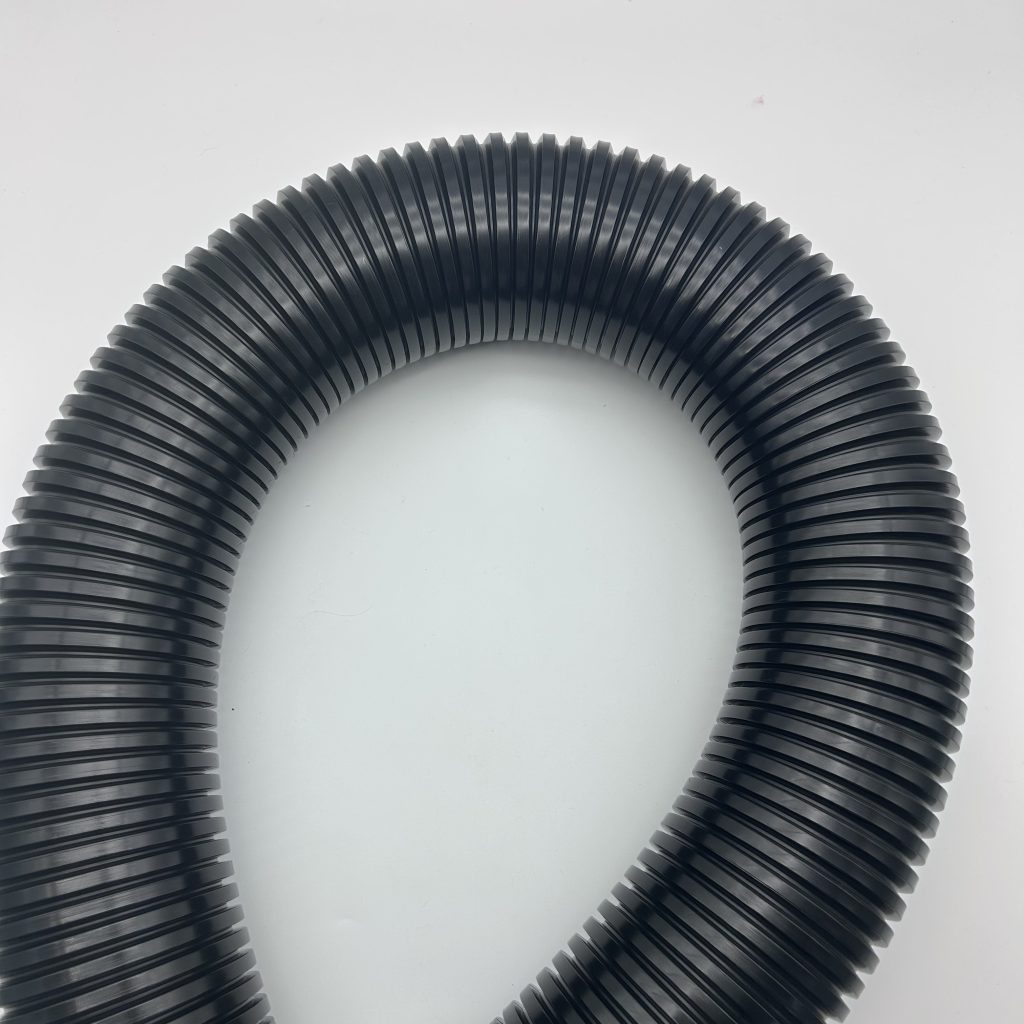
Closed corrugated polyamide pipe
Construction: Fully enclosed tube wall with high tightness
Benefits: Dust, water and oil resistance; reliable protection and increased durability
Disadvantages: Suitable for pre-wiring only; cannot be installed on already laid cables
Scope of application: Installation of electrical wiring in new equipment, tasks with increased requirements for the degree of protection, fixed lines of long-term operation
Open Corrugated PA Cable Duct
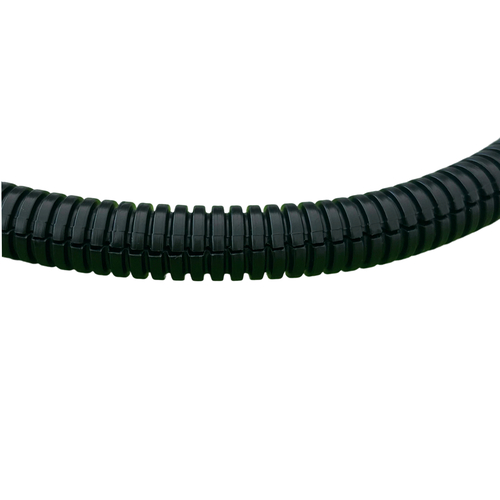
Construction: Has a longitudinal hole in the wall that can be cut to accommodate cables.
Benefits: Fast installation, no need to lay or remove wires, supports upgrading and easy to maintain.
Disadvantages: Slightly lower tightness; In environments with strong vibration, it is recommended to use cable ties.
Suitable for: Repair of existing cables, frequent maintenance, difficult conditions where cable installation is inconvenient.
Quick selection guide
- New projects, high level of protection, long-term fixation → Choose closed type
- Modernization of existing cable systems, quick installation, frequent maintenance → Choose open type
- Basic Automotive Wiring, Precision Equipment → Give Preference closed type
- On-site modification, dispersed wiring → Give preference open type