
How to Choose Fishing Rod Handle Accessories: Wrapping Tape vs Heat Shrink Tube
2026-06-06
Many fishermen face the same problem: the handle of a fishing rod is cold in winter and slippery in summer. In the cold season, it cools down, and in the heat, sweaty palms make it difficult to hold the tackle tightly, which spoils the whole fishing experience. Today, there are two popular ways to protect the handle and improve grip: anti-slip tape and anti-slip heat shrink tubing. In this article, we will compare their pros and cons in simple terms, so that you can choose the option that is right for you and avoid mistakes when caring for your gear.
Anti-slip wrapping tape
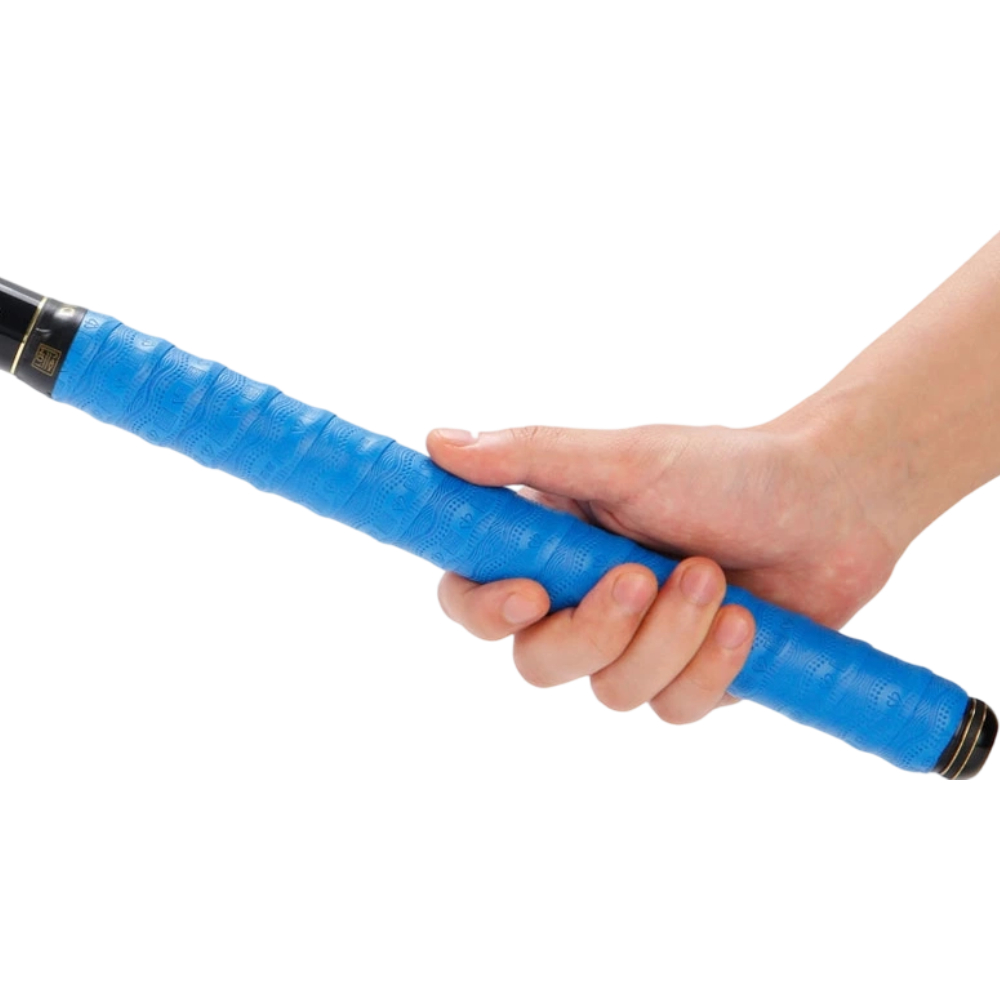
Benefits
- Comfortable and secure grip. The tape with a “keel” has a soft, voluminous structure that perfectly follows the curve of the palm. Its rough surface provides excellent grip - when casting and fighting fish, the rod does not slip, control over it remains stable.
- Breathability and sweat absorption. Made from high-quality composite PU material, it is highly breathable and effectively absorbs moisture from the palms, solving the problem of slipping in the heat.
Disadvantages
- Tendency to aging and short service life. With prolonged use, the tape can fade, wear off and peel, so it needs to be changed regularly.
- Absorbs water and increases weight. The tape absorbs moisture: if the fishing rod gets into the water, the handle will get wet, the weight of the gear will increase, and the fishing experience will deteriorate.
- Risk of damage to the fishing rod. Sweat and moisture trapped under the tape, at high temperatures and lack of timely cleanliness, form a sticky residue that can damage the walls of the fishing rod.
Heat shrink tube for fishing rod
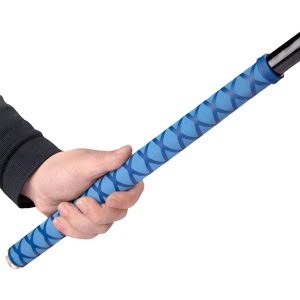
Benefits
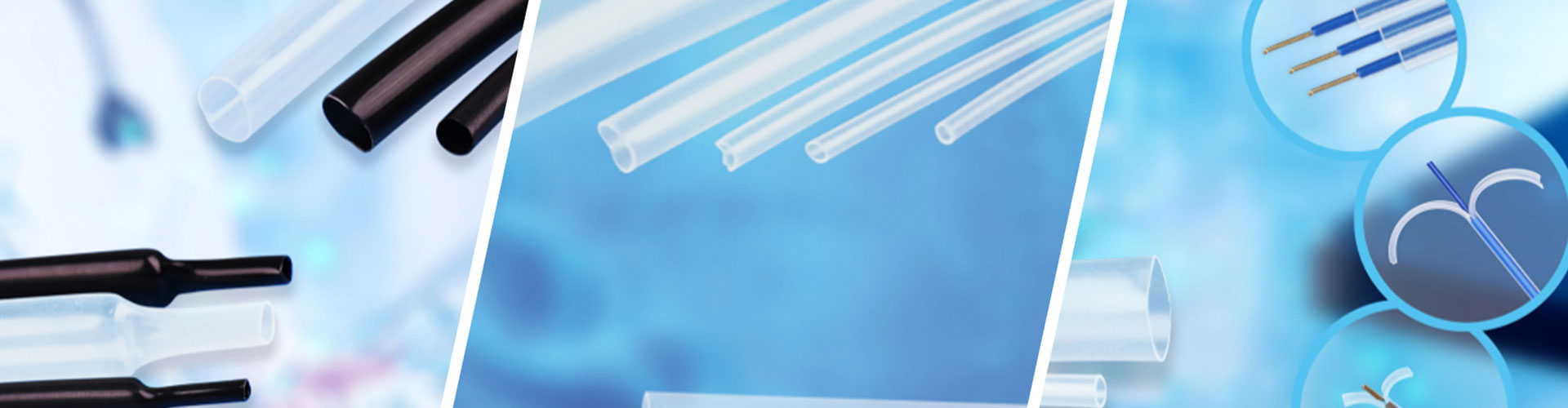
- Reliable protection, antistatic and shock absorption. The one-piece tube design provides insulation, static electricity and shock protection, keeping the handle securely protected.
- Stable anti-slip and sweat absorption. Made from environmentally friendly soft PE material with special surface treatment. Provides a secure grip and absorbs small amounts of moisture, suitable for general fishing.
- Completely waterproof and minimal maintenance. After shrinking, the tube fits tightly around the handle, not allowing moisture to pass through or absorbing it. Even if the fishing rod falls into water, it will not get wet and will not increase in weight, which makes it very durable.
- Aesthetic appearance. The tube lays flat and neat, giving the rod a stylish, finished look.
Disadvantages
- Difficult to install. Shrinking the tube requires a heat source (hair dryer or fire), which makes the installation process more labor intensive than wrapping with tape.
- Harder feel. The thickness of the tube wall is only 1–2 mm, it is less elastic, so the grip is denser and more rigid than that of the tape.
Final recommendations for choosing
- Choose a wrapping tape if: maximum softness and elasticity are important to you, and you are willing to regularly change and clean the accessory to avoid damage to the fishing rod. This option is suitable for fishermen who like to take care of their gear.
- Choose heat shrink tubing if: You want a durable, low-maintenance solution with excellent water resistance and a stylish look. This option works stably for a long time and requires almost no maintenance.
Both accessories have their pros and cons; there is no clear “best” option. Choose one that suits your fishing habits and grip feel preferences.